Chemical Structures for Confluence
The first Confluence macro that lets chemists draw molecular structures with a professional WYSIWYG editor — no SMILES strings required.
Other chemistry macros ask you to type SMILES like
CC(=O)Oc1ccccc1C(=O)O
for aspirin. Nobody thinks in SMILES. Chemical Structures lets you
draw it instead.
Draw, don't type
No SMILES, no code. Just draw.
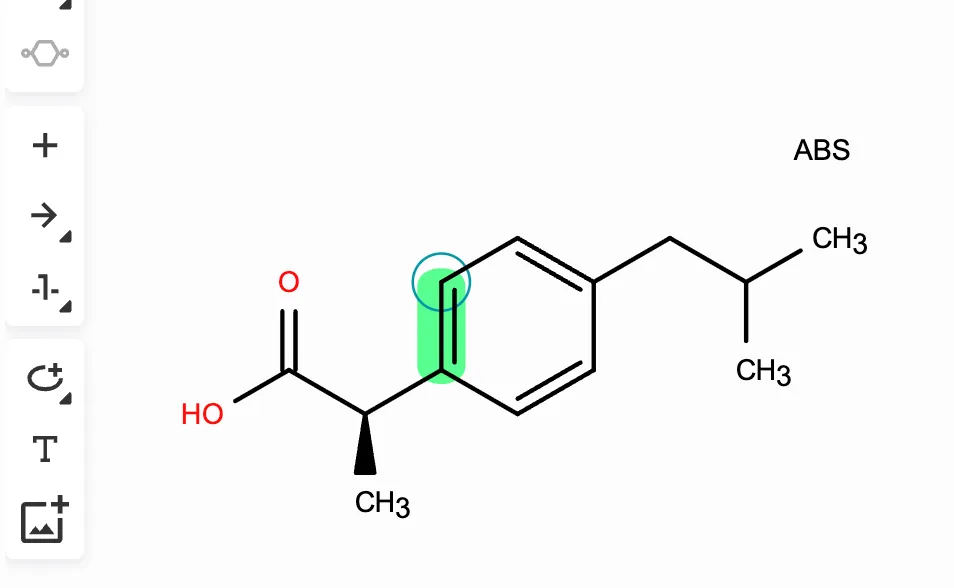
Chemical Structures embeds Ketcher — the same open-source structure editor used by PubChem. Click a bond, add an atom, set stereocenters with wedge bonds, save. It works exactly like ChemDraw.
Already have a SMILES string? Paste it in and the structure renders instantly. Draw from scratch or import — either way, what ends up on the page is a proper vector structure, not a line of text.
Renders beautifully — every time
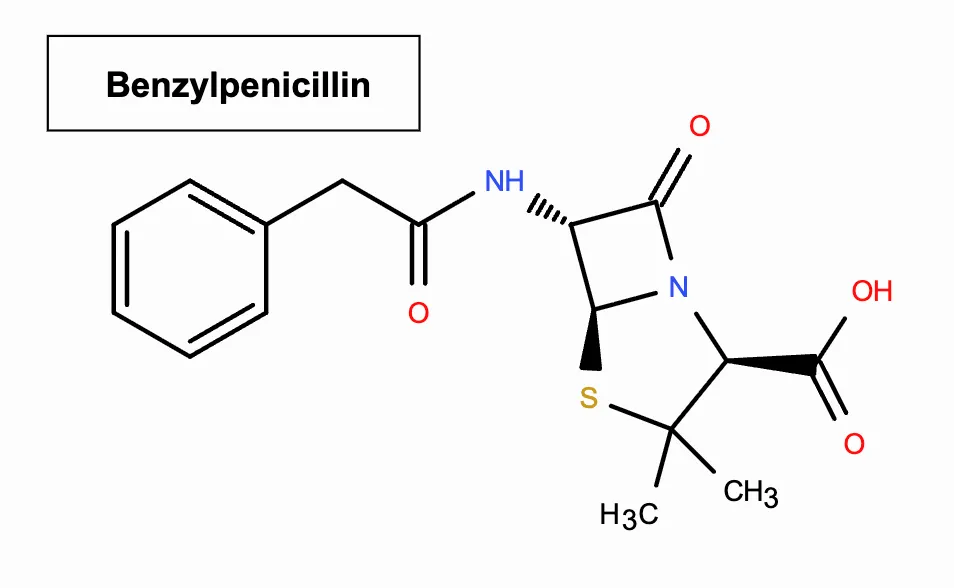
We store the complete Molfile with 2D coordinates instead of converting to SMILES. The structure rendered on the page is exactly what you drew — wedge bonds, stereocenters, chair conformations, and all.
Your Confluence page looks like a polished report, not a pixelated screenshot from ChemDraw.
Click to edit, anywhere
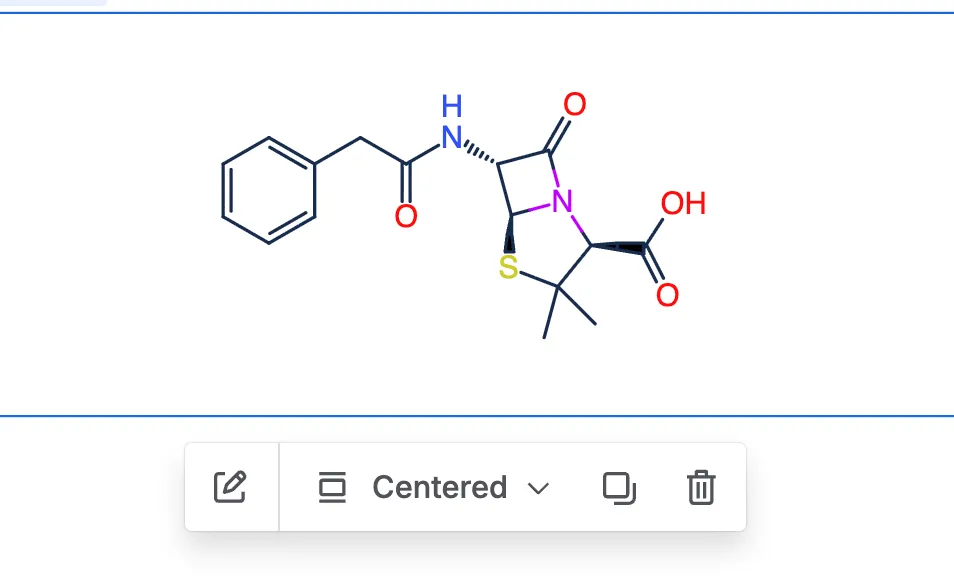
Any author with edit access can click the structure and reopen the full editor — no plugins to install, no desktop software required.
Readers see a clean vector image. Editors see the same drawing tool they used the first time. Zero friction for both.
Runs on Atlassian
Chemical Structures for Confluence is built on Atlassian Forge, qualifying it for the Runs on Atlassian designation. Your molecular data — including proprietary drug structures — never leaves Atlassian's infrastructure. No third-party chemistry servers, no external APIs, no data exposure.
For pharmaceutical R&D and IP-sensitive work, this matters. Your structures stay where your data already lives.
Learn about Runs on Atlassian →From aspirin to chlorophyll
Document syntheses, biosynthetic pathways, and drug candidates directly in Confluence. Every structure is stored as a vector-based Molfile — scalable, print-ready, and compatible with dark mode.
Insert the macro with /chemistry, /chem, /molecule, or /chemical-structure — then start drawing.
It's powerful
Chemical Structures handles everything from a simple reaction arrow to a full biosynthetic pathway. Some of the use cases it covers:
Pharmaceutical R&D
Document drug candidates with full stereocenters, wedge bonds, and R/S annotations. Patent-quality depictions without leaving Confluence.
Biochemistry
Map metabolic pathways, enzyme substrates, and cofactor structures. Combine with Confluence's native diagramming for complete pathway documentation.
Teaching & lab manuals
Build lecture notes and lab procedures with inline structures. Students see what they're synthesizing, not a string of characters.
IP documentation
Capture novel compounds in your internal knowledge base with the precision required for patent filings — including stereochemistry and chair conformations.
In October 2021 we were deeply moved by the situation at the Polish-Belarus border where thousands of people were trapped at the center of an intensifying geopolitical dispute.
We decided to pay 10% of our revenue (not profit, revenue) to a coalition of human rights organizations Border Group. The group includes people we know in person, as well as members of the Helsinki Foundation for Human Rights.
In February 2022 the border crisis seemed to shade. But as we all know it was replaced by something much worse. We hoped we would never use word “war” in this context.
We donate help for fighting Ukraine. Either through NGOs or via our network of friends who are personally involved in the matter.